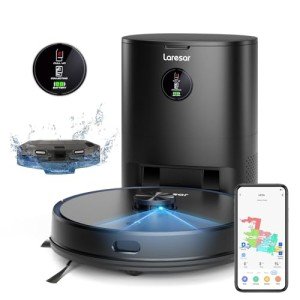
The Rise of Automatic Cleaning Robots: A Comprehensive Guide
In today's fast-paced world, where benefit and efficiency are vital, automatic cleaning robots have become a game-changing innovation in home cleaning. These flexible devices not just save time but likewise boost the tidiness of living areas, making them an essential part of contemporary homes. This post uses an extensive expedition of automatic cleaning robots, their benefits, how they work, types offered, and important elements to think about when selecting one.
What is an Automatic Cleaning Robot?
Automatic cleaning robots, frequently described as robotic vacuums or floor cleaners, are automated gadgets created to clean floorings and other surfaces with very little human intervention. They make use of different innovations to browse through homes, determine dirt and debris, and successfully clean surface areas. The introduction of sophisticated sensors and expert system has propelled these devices into the forefront of smart home innovation.
Secret Features of Automatic Cleaning Robots
- Smart Navigation: Many designs come equipped with advanced sensors that enable them to map spaces and prevent obstacles.
- Arranging Options: Users can set specific cleaning times or frequencies to guarantee their spaces are kept clean without constant supervision.
- Several Cleaning Modes: Various cleaning modes permit the robot to adapt to different surfaces, from carpets to wood floorings.
- App Integration: Several high-end designs can be controlled via smart device apps, enabling remote operation and monitoring.
- Self-Charging: Most automatic cleaning robots return to their charging dock separately when their batteries run low.
Benefits of Using Automatic Cleaning Robots
The growing popularity of automatic cleaning robots originates from the myriad advantages they use to users. Below are a few of the most notable benefits:
- Time-Saving: Automatic cleaning robots considerably minimize the time spent on routine cleaning chores.
- Constant Cleaning: With the capability to arrange cleanings, these robots make sure that floorings stay regularly neat.
- Benefit: Users can continue with their day-to-day activities while the robot takes care of cleaning, improving total efficiency.
- Access to Hard-to-Reach Areas: The compact design permits robots to tidy under furniture and in other tight spaces where standard vacuums might struggle.
- Smart Technology: Many robots include expert system, permitting them to find out and adjust to their environment for enhanced cleaning efficiency.
Table: Popular Brands and Their Features
| Brand | Design | Navigation Technology | Battery Life | Price Range |
|---|---|---|---|---|
| iRobot | Roomba i7+ | Smart Mapping | 75 minutes | ₤ 600 - ₤ 800 |
| Ecovacs | Deebot Ozmo T8 | Laser Navigation | 180 minutes | ₤ 700 - ₤ 900 |
| Roborock | Roborock S7 | Lidar Navigation | 180 minutes | ₤ 400 - ₤ 600 |
| Neato | D7 Connected | Lidar Navigation | 120 minutes | ₤ 600 - ₤ 700 |
| Eufy | RoboVac L70 | Path Tracking | 120 minutes | ₤ 300 - ₤ 400 |
How Automatic Cleaning Robots Work
Automatic cleaning robots depend on a combination of hardware and software application technologies to function successfully. Here's a high-level overview of their operational procedure:
- Mapping and Navigation: Using sensors, robots produce a map of the cleaning location. Advanced designs use Lidar or electronic cameras for precise mapping and barrier avoidance.
- Cleaning Execution: Based on the created map, the robots systematically navigate the area, using algorithms that determine cleaning patterns to ensure thorough coverage.
- Dirt Detection: Many robots are equipped with dirt detection innovation that allows them to recognize areas that require more intensive cleaning.
- Bin and Filter Management: The collected debris is kept in a dustbin within the robot. Users need to frequently clear this bin and change filters to maintain optimum performance.
- Charging: When short on battery, the robots go back to their designated charging docks immediately, ensuring they are always ready for the next cleaning session.
Types of Automatic Cleaning Robots
Automatic cleaning robots come in different types, each developed for specific cleaning requirements. Here are the most common types:
- Robotic Vacuums: Designed primarily for vacuuming carpets and hard floorings. They successfully suck up dust, animal hair, and particles.
- Mopping Robots: These robots not just vacuum but likewise mop floors, making them perfect for homes with tile or hardwood surface areas that need both types of cleaning.
- 3-in-1 Cleaning Robots: These multifunctional robots combine vacuuming, mopping, and sweeping capabilities, offering a detailed cleaning service.
- Specialized Cleaners: Some robots are developed for specific jobs, such as swimming pool cleaners or window cleaners, using targeted options for these areas.
Elements to Consider When Choosing an Automatic Cleaning Robot
When selecting an automatic cleaning robot, prospective buyers must think about several vital elements to ensure they choose a design that best fits their requirements:
- Size of Living Space: Larger areas might require robots with much better battery life and a larger dustbin.
- Kind of Flooring: Consider whether the home has carpets, wood, or tiles, as various robots are enhanced for different surface areas.
- Family pet Ownership: For pet owners, a robot with strong suction power and hair management functions is vital.
- Smart Features: Evaluate the importance of app connectivity and voice control compatibility.
- Budget: Prices for automatic cleaning robots differ widely, so it's crucial to discover one that satisfies both performance and budget requirements.
Often Asked Questions (FAQs)
Q1: How often ought to I utilize my automatic cleaning robot? Robot Vacuum Cleaner Sale : It is suggested to use your robot everyday or a number of times a week, depending upon the level of foot traffic and family pet activity in your home. Q2: Can I control my robot with a mobile phone app?A2: Many modern-day robots featured smartphone applications that enable remote control, scheduling, and monitoring of cleaning sessions. Q3: How do I preserve my automatic cleaning robot?A3: Maintenance includes regular emptying of
the dustbin, cleaning brushes, and replacing filters as advised by the manufacturer. Q4: Are automatic cleaning robots appropriate for homes with several levels?A4: Most robotic vacuums are developed for single-level usage; however,
some designs can discover and map multiple levels if manually put on each. Q5: How do I fix if my robot is not working correctly?A5: Consult the user handbook, inspect the robot for obstructions, ensure sensors are clean, and guarantee it is charged. If problems persist, refer
to customer support. The evolution of automatic cleaning robots signifies an impressive shift in how homes approach cleaning. With their ability to save time, keep consistent cleanliness, and adapt to different living environments, these devices are ending up being essential for lots of households. As innovation continues to advance, the future of robotic cleaning looks promising, pressing the borders of benefit even further. When picking an automatic cleaning robot, comprehending functions, types, and individual requirements is essential to making a gratifying purchase.